



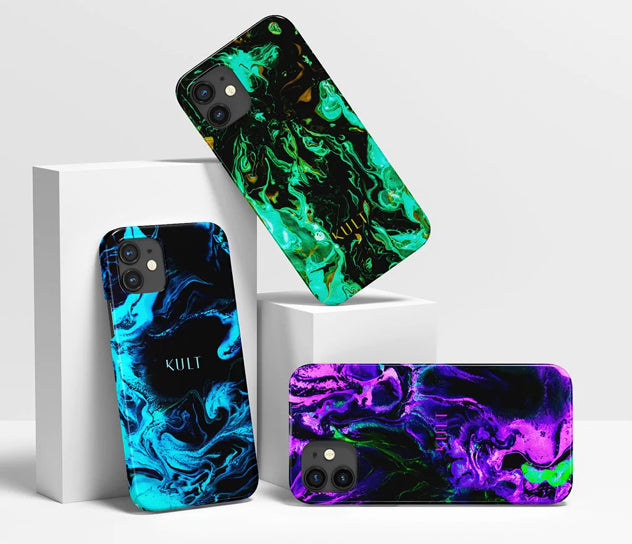


Your phone does not usually hit the floor in a perfect, lab-friendly way. It slips off a café table, falls from a car seat, catches a tile floor at the worst possible angle, or gets knocked out of your hand while you are juggling coffee and keys. That is why case impact testing matters. A great phone case should bring the look, but it also needs to earn its place when real life gets a little chaotic.
Style and protection are not opposing choices. The best cases make your device feel more like you while adding smart coverage where a drop is most likely to do damage. Here is what impact testing can tell you, what it cannot, and how to choose a case that looks seriously good without treating protection as an afterthought.
What Case Impact Testing Actually Measures
Case impact testing is the process of assessing how well a phone case absorbs or redirects force during a drop or impact. Depending on the test, a phone in its case may be dropped from a set height onto a hard surface, repeatedly dropped at different angles, or checked for damage after impact.
The point is not just whether the case survives. A case can show scratches and scuffs while still doing its job beautifully if the phone inside stays protected. What matters is how the case manages shock, keeps its shape, and prevents the device from making direct contact with the floor.
A thoughtful test looks at the areas that take the hardest hits: corners, raised camera housing, screen edges, and the fit around buttons and ports. Corners deserve extra attention because they tend to meet the ground first. If force travels straight through a thin, rigid corner, the phone is more vulnerable than it would be with a case that has reinforced material or air-cushioned space in that zone.
Why a Pretty Case Still Needs Smart Protection
A phone case is part of your everyday outfit. It sits in mirror selfies, appears in desk photos, and travels everywhere from brunch to the gym. There is no reason it should look generic just because it needs to be practical.
Still, a graphic, floral print, chrome moment, or cosmic color story is only worth it if the case can stay in rotation. Protection supports the style. When your case fits securely and helps shield your phone from everyday drops, you can carry the design you love with more confidence instead of saving it for careful days.
This is also where material choices matter. Flexible materials can help soften an impact, while firmer shells can add structure and defend against surface contact. Many cases combine both approaches: a sturdier outer layer for shape and a more shock-absorbing interior around the phone. There is no single material that wins every situation. The right balance depends on how slim you want the case to feel, how often you drop your phone, and whether you need added grip.
The Drop Details That Matter Most
Not all drop claims mean the same thing. A case tested from a certain height under controlled conditions has completed a useful test, but it has not become invincible. Your actual drop could involve concrete, tile, gravel, a raised edge, or an awkward bounce. It could land screen-first, camera-first, or directly on one exposed corner.
When comparing cases, pay attention to the design details behind the protection language rather than relying on a dramatic label alone. Four features are especially worth checking:
- Reinforced corners: Extra material or cushioning at the corners can help manage one of the most common impact points.
- Raised bezels: A slight lip around the screen and camera can help keep those surfaces from lying flat against a table or floor.
- Secure fit: A loose case can shift during a drop, reducing its ability to protect the phone where it needs coverage.
- Responsive button and port design: Clean cutouts and covered buttons help a case fit correctly without turning everyday use into a struggle.
Repeated Drops Tell a Different Story
One successful drop is not the whole picture. Repeated impact testing can reveal whether a case starts to warp, loosen, crack, or pull away at the edges after multiple hits. This matters because cases rarely retire after one accident. They live through months of pockets, bags, hot cars, countertops, and the occasional dramatic fumble.
A case that remains snug after everyday wear is more likely to keep doing its job. That said, visible wear is normal. Scratches on the case can be proof that it took the hit instead of leaving that damage for your phone.
Screen Protectors Are a Separate Layer
A raised case edge can help create breathing room between your screen and a flat surface, but it is not a replacement for a screen protector. If cracked-screen anxiety is real for you, pairing a protective case with a quality screen protector gives you coverage against more kinds of accidents.
Think of it as styling in layers. Your case brings the color, pattern, texture, and impact support. A screen protector adds another defense for the glass itself. Together, they make far more sense than expecting one accessory to handle every possible fall.
How to Read Protection Claims Without Falling for Hype
Words like “drop tested,” “impact resistant,” and “military-grade” can sound impressive, but they need context. A trustworthy product description should make it clear what the case is designed to do, such as offering raised edges, shock absorption, or reinforced corners. Specific design information is more helpful than vague promises.
Also, match the case to your actual lifestyle. If your phone spends most of its day on your desk, in a tote, or in your hand while you are out with friends, a protective slim case may be exactly right. If you work on construction sites, hike rough trails, or regularly expose your phone to serious impact risks, you may need a more specialized, heavier-duty option.
That is not a compromise in personal style. It is knowing what your day asks of your accessories. Fashion should fit your life, and so should protection.
Keep Your Case Ready for Its Next Drop
Even the best-designed case needs a little attention. Take it off occasionally to clear out dust, grit, or debris that can collect between the case and the phone. Check the corners for stretching or cracks, especially after a major fall. If the case no longer fits snugly, the buttons feel misaligned, or the raised edge has worn down, it may be time for a refresh.
Cleaning also keeps the visual side of your case sharp. A soft cloth with mild soap and water is generally a smart starting point for everyday grime, followed by air drying before you put the case back on. Avoid harsh chemicals unless the care instructions specifically allow them, since they can affect prints, finishes, and materials.
A fresh case is one of the easiest ways to switch up your everyday look, but it should never be only a visual decision. At KULT, the best phone accessories are the ones that make your device stand out while helping it keep up.
Your phone is too central to your day to hide behind a boring case or trust a loose, flimsy one. Choose a design that feels like your color palette, your mood, or your current obsession, then make sure the fit, corners, and raised edges are ready for the moments when gravity has other plans.


