





A crystal-clear case looks like the perfect finishing touch until it starts turning the color of old iced tea. So, which phone cases resist yellowing? The short answer is hard polycarbonate cases, frosted finishes, and colored or printed designs usually stay looking fresh longer than soft, fully transparent TPU cases.
But material is only half the story. Sun, heat, hand oils, makeup, and everyday friction all affect how a case ages. If you want your phone accessory to stay camera-roll ready instead of looking tired after a season, it pays to choose the right construction from day one.
Which phone cases resist yellowing best?
Hard polycarbonate is the strongest choice when your goal is a clear case that keeps its original look. Polycarbonate is a rigid plastic commonly used for hard-shell cases. Unlike flexible TPU, it is less likely to absorb oils and discolor from oxidation. A hard clear case can still pick up scratches over time, but yellowing is generally much less dramatic.
Frosted clear cases are another smart pick. Their soft, semi-transparent finish hides fingerprints, tiny scratches, and the subtle color changes that are much more obvious on glass-clear plastic. You still get to show off your phone's color, just with a cooler, more diffused look.
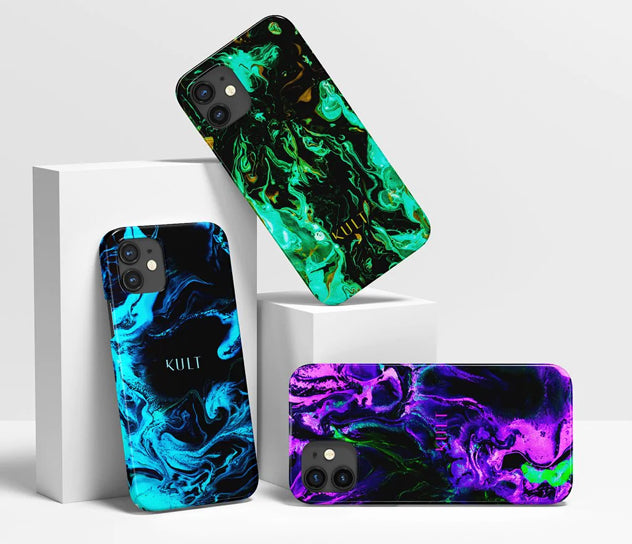
Printed and colored cases are the no-stress answer. A bold floral, neon check, cosmic swirl, or custom photo design is not only more expressive than plain clear plastic. It also makes natural wear far less visible. If your case has a clear edge, check what that edge is made of, since a flexible bumper can still warm up in color before the printed back does.
The material most likely to yellow is clear TPU, or thermoplastic polyurethane. It is popular because it is soft, grippy, lightweight, and good at absorbing impact. The trade-off is that transparent TPU reacts to UV light, heat, oils, and oxygen. That gradual chemical change is what creates the yellow tint people notice.
Why clear phone cases turn yellow
Yellowing is not always a sign that you did anything wrong. Most soft clear cases are designed to be flexible, and that flexibility comes from the chemistry of the material. Over time, exposure causes the plastic to oxidize and shift from transparent to yellow or amber.
Sunlight speeds it up. Leaving your phone on a car dashboard, taking it to the pool, or using it outdoors all summer gives UV rays more opportunity to change a clear case's appearance. High heat does the same. Even a phone that runs warm during gaming, streaming, charging, or video calls can contribute to faster aging.
Then there is real life. Hand lotion, self-tanner, foundation, cooking oils, denim dye, and whatever is hanging out at the bottom of your bag can cling to a clear case. These surface stains are different from oxidation, but together they make yellowing look worse. Cleaning can remove grime. It cannot reverse a plastic material that has already changed color internally.
That distinction matters when you see an "anti-yellowing" claim. It can mean the manufacturer uses a more stable polymer, a protective coating, or UV-resistant additives. Those are worthwhile features. Still, no fully clear, flexible TPU case is likely to look brand-new forever if it gets daily sun, heat, and hands-on use.
The best case materials, with real trade-offs
A good phone case should look good in the mirror and hold up when it meets the sidewalk. Here is how the most common materials compare.
Hard polycarbonate: best for staying clear
Hard polycarbonate is the front-runner for transparency that lasts. It has a sleek, smooth profile and resists yellowing better than soft transparent materials. It also creates a clean base for high-impact artwork, so colors and details can stay sharp.
The trade-off is feel. A hard shell is less grippy and does not flex around your phone as easily. For stronger everyday protection, look for a design that pairs a polycarbonate back with reinforced corners or a shock-absorbing bumper. Just remember that if the bumper is clear TPU, it may age differently than the hard back.
TPU: best for grip, not long-term clarity
TPU feels comfortable, cushions drops well, and makes buttons easy to press. That is why it is everywhere. If you love a soft clear case, choose one labeled as UV-resistant or anti-yellowing and expect to replace it eventually.
This is not a reason to skip TPU entirely. It is a reason to be honest about your priorities. If you want the most flexible, grippy option, TPU delivers. If you want the clearest look for the longest time, hard polycarbonate wins.
Frosted finishes: best for low-maintenance style
Frosted cases make a quiet but clever style move. They blur the phone's color slightly, reduce fingerprint visibility, and disguise everyday scuffs. A frosted finish can be applied to a hard case or a hybrid design, so check the full material description instead of choosing based on appearance alone.
This option is especially good for anyone who wants a minimalist look without constantly polishing their case. Think clean, cool, and less precious.
Printed cases: best for keeping wear invisible
A printed case changes the conversation from "Will it yellow?" to "Which design fits my mood?" Patterned, colorful, and opaque cases conceal the aging that clear plastic puts on full display. They also turn a phone from a default device into part of your outfit.
A quality printed case should use a durable hard exterior and protective structure, not just a pretty graphic. At KULT, expressive patterns make it easier to choose protection that feels like an accessory, not an afterthought.
How to spot a case that will age well
Do not rely only on product photos. Almost every new clear case looks flawless under studio lighting. Read the materials section and look for terms such as hard polycarbonate, UV-resistant coating, anti-yellowing technology, or frosted finish.
Be extra careful with vague labels like "premium clear material." If a product does not say what it is made from, there is a good chance it is a standard TPU case. That may be totally fine for a low-cost, short-term option, but it is not the best choice if you hate the yellow-case look.
Also consider the design rather than obsessing over invisible chemistry. A black bumper, tinted edge, or full-coverage print can protect the areas that tend to show discoloration first. Darker or more saturated artwork is naturally more forgiving than bare transparency, especially if your phone goes everywhere with you.
Can you prevent yellowing once you have a clear case?
You can slow visible staining, though you cannot completely stop material oxidation. Wipe your case regularly with warm water, a small amount of mild dish soap, and a soft cloth. Remove it from your phone first, rinse carefully, and let it dry completely before putting it back on.
Avoid harsh cleaners, acetone, bleach, and abrasive scrubbers. They can cloud the plastic, wear down protective coatings, or damage printed surfaces. Skip the social-media "hack" of soaking a case in strong chemicals, too. It may make a surface stain look lighter while leaving the material rougher and more likely to hold onto future grime.
Keep the case out of direct heat when you can. Do not leave it baking in a hot car, and wipe off sunscreen, makeup, or spills sooner rather than later. These small habits will not make a clear TPU case permanent, but they can keep it cleaner through its best-looking months.
Choose a case you will still want to carry
A clear case can be a great look, especially when you want your phone color to take center stage. Choose hard polycarbonate or a frosted construction if long-lasting clarity is non-negotiable. Choose soft TPU when grip and flexibility matter more, knowing it may eventually change color.
Or choose the easy style win: a protective case with color, pattern, or custom personality built in. The best case is not the one you baby all day. It is the one that can keep up with your plans, survive your bag, and still look like you chose it on purpose.


