





A great Apple Watch band should feel like part of the outfit, not the thing you keep tugging at between texts and coffee runs. So, do Apple Watch bands stretch? Some absolutely do. Others barely change at all. The difference comes down to material, fit, and how hard you wear your everyday wrist style.
Do Apple Watch Bands Stretch? The Short Answer
Stretch is most common in soft, flexible bands: think woven nylon, fabric loops, elastic styles, and some silicone designs. Heat, sweat, water, friction, and repeated pulling can gradually relax those materials. It usually happens slowly, not overnight, but a band that once fit perfectly can start sliding, spinning, or needing a tighter setting.
Metal link bands and solid leather straps generally do not stretch in the same obvious way. Leather may soften and mold to your wrist, while metal hardware can develop a little play over years of wear, but neither should suddenly feel dramatically larger.
That is not always a bad thing. A slightly broken-in band can feel more comfortable and natural. The problem starts when your Apple Watch is moving around enough to throw off the look, irritate your skin, or affect features like heart-rate tracking.
Which Apple Watch Band Materials Loosen Most?
Not every cute band has the same long-term fit. If a secure, consistent feel is your priority, material matters as much as the pattern or color.
Nylon and woven fabric bands
Woven bands are lightweight, breathable, and easy to style with everything from gym sets to oversized knits. They are also among the most likely to loosen over time. The fibers can relax with repeated wear, especially if the band gets wet frequently or is pulled hard when putting it on.
Hook-and-loop closure bands can be adjusted quickly, which helps you keep the fit dialed in. Still, the fabric itself may eventually feel less structured, and the fastening surface can collect lint or lose some grip. Wash it gently and let it air-dry fully to help it stay fresh and functional.
Elastic and stretch bands
Elastic Apple Watch bands are designed to stretch, so some extra give is expected. They are effortless to slip on, have a clean minimal look, and feel amazing for low-key everyday wear. But they have a limit.
Over time, elastic fibers can lose recovery, meaning the band stays slightly expanded after you take it off. Heat is the biggest enemy here. Leaving an elastic band in a hot car, drying it with high heat, or wearing it through intense sweat sessions without cleaning can speed up the loosening process.
If your stretch band starts slipping over your hand too easily or leaves your watch face sitting off-center, it is probably time for a new one.
Silicone and fluoroelastomer bands
Silicone bands are built for movement. They are water-friendly, easy to wipe down, and a natural choice for workouts, beach days, and anything messy. Quality silicone usually holds its shape well, but it can develop a little extra give after extended use, particularly around the adjustment holes and closure area.
A soft silicone band may also feel looser when it is warm because the material becomes more flexible. That does not necessarily mean it is worn out. Check the fit once the band has cooled down and your wrist is dry before deciding it has stretched.
Leather bands
Leather does not stretch like elastic, but it does change. It softens, develops a more personal shape, and may lengthen slightly at the buckle hole you use most often. That lived-in look can be beautiful, especially with a band that has rich color or a fashion-forward finish.
The trade-off is that sweat and water can speed up wear. Leather is better for polished daytime looks, dinners out, and content-worthy fits than for daily high-intensity training. Rotate it with a sweat-ready band if you want it to stay sharp longer.
Metal link and stainless steel bands
Metal bands are the least likely to stretch in a meaningful way. Their fit comes from removable links or an adjustable clasp, not flexible fibers. If a metal band suddenly feels loose, check the clasp first. It may not be fully closed, or the adjustment may need a quick reset.
Because metal is structured, sizing matters from day one. A band that is too loose can look clunky and make your Apple Watch slide toward your hand. A properly fitted metal band looks intentional, sleek, and expensive.
Why Your Band May Feel Bigger Than It Is
Sometimes the band has not stretched much at all. Your wrist size naturally changes during the day due to temperature, hydration, exercise, and even salt intake. A band that fits close in the morning can feel tight after a long walk, then loose again later that night.
Skin care can play a role too. Lotion, sunscreen, and body oil can make a smooth band slide more easily, especially silicone. If your watch keeps rotating after applying products, wipe the underside of the band and your wrist with a soft dry cloth before adjusting the fit.
The way you wear it matters. Pulling an elastic band hard over your hand, yanking a fabric loop closed, or forcing a buckle can gradually strain the material. A little care protects the fit and keeps the band looking more polished.
How to Tell When an Apple Watch Band Is Too Stretched
Your Apple Watch should sit snugly enough to stay in place, but not so tight that it leaves deep marks or feels restrictive. You should be able to move a finger comfortably under the band, and the watch should remain centered on the top of your wrist during normal movement.
A band may be too stretched if it rotates to the side every few minutes, slides down toward your hand, or needs the tightest possible setting to feel secure. On elastic styles, look for rippling, thinning, or a shape that does not spring back after you remove it. On silicone, inspect the adjustment holes for tearing or distortion.
There is also a style test. If the band looks limp, twisted, faded, or permanently bent, it can make even a great outfit feel less put together. Your accessories should bring the look together, not look like they have clocked out.
Keep Your Favorite Band Looking New Longer
You do not need to baby an Apple Watch band, but a few smart habits make a real difference. Rotate between two or three bands instead of wearing one nonstop. It gives each material time to dry, recover, and stay in better shape. It also gives you more ways to match your watch to your mood.
Clean sweat, sunscreen, and everyday buildup off your band regularly. For silicone, use mild soap and water, then dry it completely. For nylon and fabric, use a gentle hand wash and air-dry away from direct heat. Leather needs a soft dry cloth and should stay away from soaking water. Metal bands can be wiped with a slightly damp cloth, then dried around the clasp and links.
Avoid storing bands in direct sun, on a radiator, or in a hot car. Heat is rough on elastic, fabric, adhesives, and finishes. When you swap bands, lay them flat or store them loosely rather than twisting them into a drawer.
When It Is Time for a Fresh Band
A stretched band is not a fashion emergency, but it is a good excuse for a switch-up. Replace it when it no longer holds your Apple Watch securely, the closure is unreliable, the material is cracked or fraying, or the fit is affecting comfort and tracking.
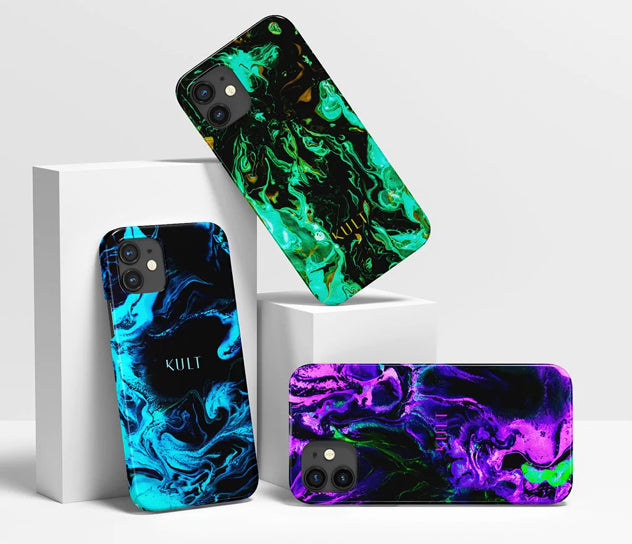
Think of bands like the rest of your accessories. The right one changes the whole energy of your watch. A crisp floral print can brighten a neutral outfit, a cosmic design can bring drama to a night-out look, and a bold abstract pattern can make even a basic tee feel styled. KULT bands are made for that kind of wrist-level statement, with eye-catching design that does not ask you to choose between personality and everyday wear.
Your Apple Watch goes everywhere with you. Give it a band that still fits the moment, feels good on your wrist, and looks like you chose it on purpose.


