



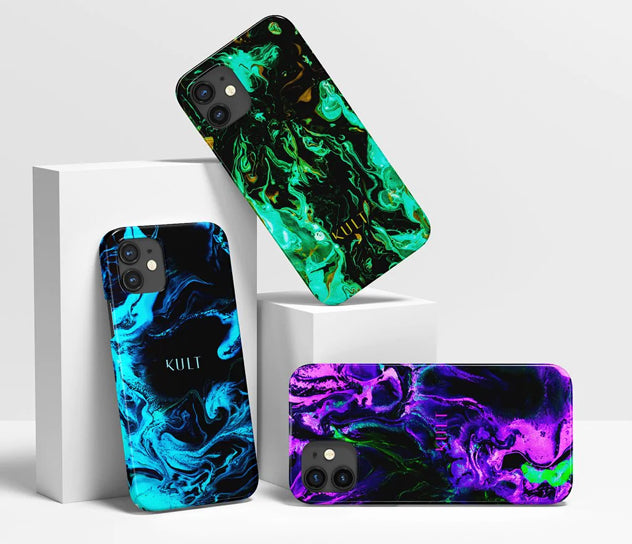


Your phone goes everywhere your outfit does: coffee runs, campus, concerts, desk-side mirror pics, and the bottom of an overstuffed tote. That means your case has one very visible job and one very serious one. This phone case protection guide helps you find the sweet spot between a look people notice and coverage you can actually count on when life gets a little slippery.
A great case should not feel like an apology for owning a beautiful phone. It should frame it, protect it, and make it feel more like yours. The right pick depends on how you use your phone, where you carry it, and how much impact protection you want without sacrificing the color, print, or finish that makes your accessories feel styled.
Phone Case Protection Guide: Know What You’re Protecting
Most phone damage happens in a few predictable places. Corner drops can crack the frame or send shock through the device. Face-down falls put the screen at risk. A phone tossed into a bag with keys can collect scratches fast, while daily use slowly wears down weak materials and loose edges.
Protection is not just about choosing the thickest case available. A bulky case can feel awkward in your hand, fight with pockets, and hide the design you were excited to carry. What matters is thoughtful coverage: reinforced corners, a raised lip around the screen and camera, secure sidewalls, and materials that can absorb impact instead of transferring it straight to the phone.
Think about your real routine, not your best-case routine. If your phone spends most of the day on a desk or in a small shoulder bag, a slim protective case may be exactly right. If you are always on the move, juggling iced coffee, keys, and a packed schedule, extra corner protection and a grippier finish are worth prioritizing.
Start With the Case Material
Material shapes nearly everything about how a case performs and feels. It affects grip, weight, flexibility, print quality, and what happens when the case meets the sidewalk.
TPU: Flexible, Grippy, and Everyday-Ready
TPU, or thermoplastic polyurethane, is a common favorite for good reason. It has a soft-flex feel that makes it easy to put on and take off, while offering better grip than hard plastic alone. It also has natural shock-absorbing qualities, making it a strong choice for daily drops and bumps.
For a fashion-forward case, TPU edges are especially useful because they can protect the areas most likely to hit first without forcing the whole design to look overly industrial. It is a smart material for someone who wants their case to feel protective but still slim, polished, and easy to hold during a photo scroll.
Hard Shell Materials: Crisp Structure and Bold Prints
Hard-shell cases bring structure. They tend to feel sleek, hold their shape well, and create a clean canvas for vivid prints, rich colors, and sharp graphic details. If your priority is a cosmic pattern that pops or a floral print that looks almost too good to cover, a hard outer shell can deliver that high-impact finish.
On its own, though, a rigid shell may not absorb shock as effectively as a flexible material. The better balance is often a structured exterior paired with a shock-absorbing inner layer or flexible bumper. You get the polished look, plus more forgiveness when your phone slips out of your hand getting out of the car.
Hybrid Construction: The Best Middle Ground
Hybrid cases combine more than one material, often a firm outer shell with flexible TPU around the edges. This is one of the most practical setups for people who want real everyday protection without carrying something that feels like sports equipment.
The trade-off is usually a little more thickness than an ultra-slim shell. For most people, that extra millimeter is easy to live with when it means better grip, stronger corners, and a case that stays looking good after months of use.
Do Not Ignore Corners, Camera Lips, and Screen Edges
The details around the edges separate a case that simply looks cute from one that earns its spot on your phone. Corners deserve extra attention because they take the hardest hits. Look for slightly reinforced corners, thicker material in those zones, or an interior design that helps disperse impact.
A raised screen lip is equally important. When you place your phone face-down on a table, the case should create a small buffer between the glass and the surface. It will not make your screen invincible, but it can reduce the chance of scratches and direct contact during everyday use.
Your camera needs that same consideration. Newer phone cameras sit noticeably proud of the back panel, so a raised camera border helps keep lenses from resting directly on counters, restaurant tables, and every random surface in between. The lip should be high enough to protect the camera, but not so high that it throws off photos or catches on clothing.
Fit matters, too. A case that shifts, stretches out, or leaves gaps around the buttons is not giving your phone its best protection. It should hug the device closely, keep cutouts aligned, and let the buttons click without feeling stiff. If installation feels too loose from day one, it is not the one.
Match Your Protection Level to Your Lifestyle
There is no single “best” case because everyone handles their phone differently. Your personal protection level should match your habits, not someone else’s drop-test fantasy.
If you are careful with your phone and want a light, styled finish, choose a slim case with raised edges and a secure fit. It keeps your device protected from routine scratches, small falls, and bag damage while letting the design stay front and center.
If you tend to drop your phone while rushing between classes, commuting, or chasing a weekend plan, choose more cushioning around the corners and sides. A case with flexible shock absorption can make a major difference without turning your phone into a brick.
For outdoor days, travel, festivals, or jobs where your phone is constantly in motion, consider pairing a protective case with a screen protector. They work differently. Your case guards the body and edges, while a screen protector adds another line of defense for the glass. Together, they are a much stronger setup than either one alone.
One more thing: grip is protection. A beautiful glossy case may photograph well, but if it slides right out of your hand, it may not fit your lifestyle. Textured sides, a comfortable shape, and materials with a little tack can be the quiet features that save your phone most often.
Style Is Part of the Phone Case Protection Equation
A case you love is a case you are more likely to keep on your phone. That sounds obvious, but it matters. The plain clear case that turns yellow in a drawer cannot protect anything. Choosing a design that fits your current mood, closet, or favorite color palette makes protection feel less like a chore and more like finishing the look.
Go for a print that has presence: bright florals with a neutral outfit, neon details against an all-black fit, abstract color for your everyday bag, or a custom design that makes your phone unmistakably yours. Cases are one of the easiest ways to switch up your aesthetic without replacing an entire wardrobe.
A standout design does not need to compromise function. KULT cases are made for people who want their tech accessories to pull their weight visually while still handling the daily chaos of real life. The best choices give you both: eye-catching style and the confidence to set your phone down, pick it up, and keep moving.
When It Is Time to Replace Your Case
Even a good case does not last forever. Replace yours if it has stretched around the edges, cracked at the corners, stopped fitting tightly, or developed deep scratches that weaken the shell. Clear cases that have significantly yellowed or feel sticky are also ready for retirement.
Check the raised screen and camera borders, especially after a hard drop. If those areas are worn down or flattened, they may no longer create the clearance your phone needs. A fresh case is a small switch that can protect a much bigger investment.
Pick a case that fits your actual life, then choose the color or print that makes you want to show it off. Protection feels a lot better when it looks this good.


